
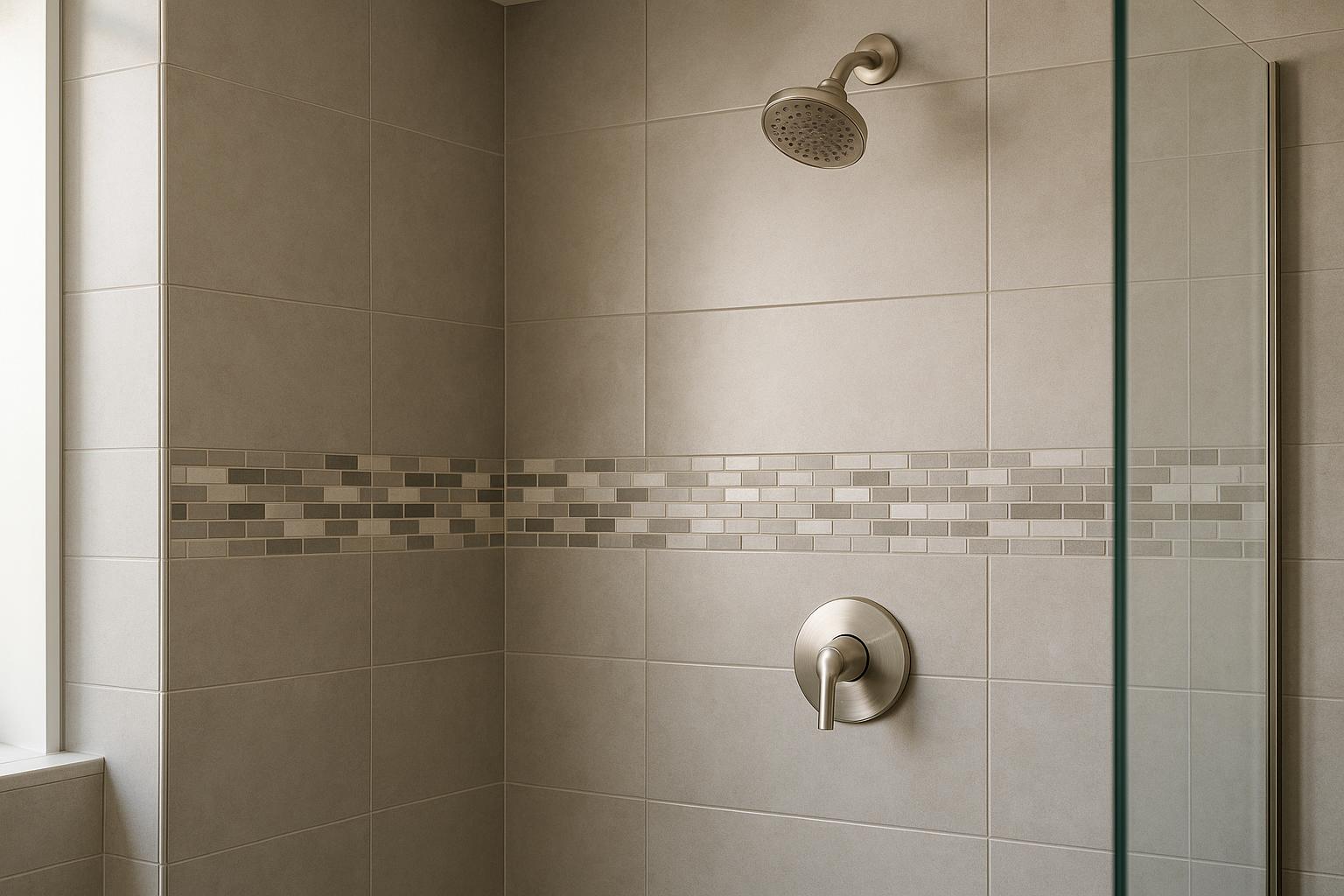
Why Tile Selection Matters More Than You Think
When Fort Lauderdale homeowners start planning a bathroom remodel, tile selection often gets treated as a quick afterthought — something to pick out in a single afternoon at the showroom. But the tile you choose affects everything from the look and feel of your bathroom to how much maintenance you'll deal with for years to come.
The wrong tile can crack, stain, become dangerously slippery when wet, or simply clash with the rest of your design. The right tile ties the whole room together, stands up to South Florida's humidity, and makes your daily routine feel a little more luxurious.
Here's what you need to know before committing to any tile for your bathroom remodel.
Understand the Main Types of Bathroom Tile
Not all tile is created equal. Each material has strengths and trade-offs, and what works in a kitchen backsplash doesn't always make sense for a bathroom floor. Here are the most common options you'll encounter:
Ceramic Tile
Ceramic is one of the most popular choices for bathroom remodels, and for good reason. It's affordable, widely available, and comes in virtually every color, pattern, and size imaginable. Ceramic tile is easy to cut and install, making it a cost-effective option for homeowners on a budget.
The downside? Standard ceramic tile is more porous than porcelain, which means it can absorb moisture over time if not properly glazed or sealed. For a bathroom in Fort Lauderdale where humidity is a constant, this is worth considering.
Porcelain Tile
Porcelain is essentially ceramic's tougher cousin. It's fired at higher temperatures, which makes it denser, harder, and far more water-resistant. Porcelain tile has a water absorption rate below 0.5%, making it an excellent choice for bathrooms, showers, and floors that regularly get wet.
It costs a bit more than standard ceramic, but the durability and moisture resistance make it a smart long-term investment — especially in our subtropical climate.
Natural Stone Tile
Marble, travertine, slate, and granite tiles bring a timeless, high-end look to any bathroom. Natural stone is undeniably beautiful, but it requires more maintenance. Most natural stone is porous and needs regular sealing to prevent water damage and staining.
If you love the look of marble but want less upkeep, porcelain tiles that mimic natural stone have become remarkably realistic and are worth exploring.
Glass Tile
Glass tile is most commonly used as an accent — in shower niches, backsplashes, or decorative borders. It reflects light beautifully and can make a small bathroom feel brighter and more open. However, glass tile is slippery when wet, so it's generally not recommended for floors.
Large-Format Tile
Tiles measuring 12x24 inches or larger have become increasingly popular in modern bathroom design. Fewer grout lines create a cleaner, more seamless look and actually make small bathrooms appear bigger. Large-format porcelain tile is a particularly popular choice among Fort Lauderdale homeowners updating older bathrooms.
Choosing Tile for Different Bathroom Surfaces
One of the biggest mistakes homeowners make is using the same tile everywhere without considering how each surface performs differently.
Floors
Bathroom floors need tile that can handle moisture, foot traffic, and the occasional splash without becoming a slip hazard. Look for tiles with a textured or matte finish and a slip-resistance rating suitable for wet areas. Porcelain and textured ceramic are excellent floor choices. Avoid polished marble or glossy tiles on floors — they become dangerously slick when wet.
Shower Walls and Surrounds
Shower walls are constantly exposed to water, steam, and cleaning products. Porcelain, ceramic, and glass tile all work well here. This is where you can get more creative with patterns, mosaics, and accent tiles since slip resistance isn't a concern on vertical surfaces.
Shower Floors
Shower floors require special attention. Small mosaic tiles — typically 2x2 inches or smaller — are the standard because they conform to the slope of the shower pan and provide better traction underfoot. Make sure whatever you choose has adequate grip when wet.
Countertops and Vanity Areas
While many homeowners opt for quartz or granite countertops, tile can also work well around vanity areas and as a backsplash. Choose something easy to clean and resistant to common bathroom products like toothpaste, soap, and cosmetics.
How Fort Lauderdale's Climate Affects Your Tile Choice
Living in South Florida means your bathroom deals with higher-than-average humidity year-round. This has real implications for tile selection:
- Moisture resistance is non-negotiable. Porcelain tile or properly glazed ceramic should be your baseline for any surface that regularly contacts water.
- Mold and mildew thrive in humid environments. Choosing less porous tile and using quality grout with antimicrobial properties can reduce the risk of mold growth in your bathroom.
- Grout matters as much as tile. Epoxy grout is more resistant to moisture and staining than traditional cement-based grout. It costs more upfront but saves significant maintenance headaches in a humid climate like ours.
- Proper ventilation supports your tile investment. Even the best tile can develop issues if your bathroom lacks adequate ventilation. A good exhaust fan paired with the right tile and grout creates a bathroom that stays cleaner and lasts longer.
Balancing Style and Budget
It's easy to fall in love with an imported handmade tile that costs $25 per square foot, but your budget has to cover more than just materials. Installation, grout, backer board, waterproofing, and labor all add up.
Here are a few ways to get the look you want without blowing your budget:
- Use premium tile as an accent. Splurge on a statement tile for a shower niche or feature wall, and use a complementary but more affordable tile for the larger surfaces.
- Consider porcelain look-alikes. Modern porcelain tiles can convincingly replicate the appearance of marble, wood, concrete, and even hand-painted patterns at a fraction of the cost and maintenance.
- Stick to standard sizes when possible. Unusual tile sizes and intricate patterns require more labor to install, which increases your overall project cost.
- Plan for waste. Order 10-15% more tile than your square footage requires to account for cuts, breakage, and future repairs.
Don't Forget About Long-Term Maintenance
The tile you choose today is something you'll live with for a decade or more. Before making a final decision, ask yourself a few practical questions:
- How often am I willing to seal natural stone?
- Am I comfortable with the grout maintenance this layout requires?
- Will this tile still look good if I change the paint color or vanity down the road?
- Does this tile work for everyone in my household, including kids or aging family members who need slip-resistant surfaces?
A beautiful tile that becomes a maintenance burden isn't a good investment. The best choice is one that looks great and fits your lifestyle.
Get Expert Help With Your Tile Selection
Choosing bathroom tile involves more decisions than most homeowners expect. Material, size, finish, layout, grout type, and slip resistance all play a role in the final result. At Fusion Bathroom Remodeling, we help Fort Lauderdale homeowners navigate these choices every day — matching the right tile to their design vision, their budget, and the practical demands of South Florida living.
If you're planning a bathroom remodel and want guidance from a team that understands both design and installation, reach out to us for a consultation. We'll help you make selections you'll love for years to come.